
Neptune Opposite Ascendant: The Hidden Truth Behind Your Relationships
Understanding the Placement
The neptune opposite ascendant aspect acts as a direct bridge between your individual identity and your seventh house of partnership. When this planet sits on your descendant, your personal sense of self constantly interacts with your desire for spiritual union. You likely find that your public persona feels fluid and hard to define when you are around other people.
Your ego identity often feels secondary to the energy of your partner. In my experience, this creates a situation where you struggle to see where you end and your partner begins. This psychological fusion is the main challenge of this natal chart placement. You might feel like a chameleon, adapting your appearance or personality to match whoever is standing in front of you.
- You project your own hidden desires onto others.
- The line between your needs and theirs becomes thin.
- You might attract people who appear to be your perfect match.
- Reality often clashes with your idealized version of a partner.
This tension creates a core conflict between holding onto your own boundaries and seeking a soulmate connection. You might feel a strong pull to dissolve your ego in favor of a deeper bond. While this offers immense empathy, it also invites confusion about your true desires.
I have noticed that people with this aspect often feel exhausted after social events. It takes about 30 minutes of alone time to recalibrate your energy after being around others. You are not just observing your partner. You are mirroring their emotions and absorbing their internal state as if it were your own.
This aspect asks you to master the art of discernment. You must learn to value your own identity while maintaining that deep capacity for love. If you do not, you risk becoming lost in the neptune projection cycle where you see your partner as a savior rather than a person.
Psychological Effects of the Aspect

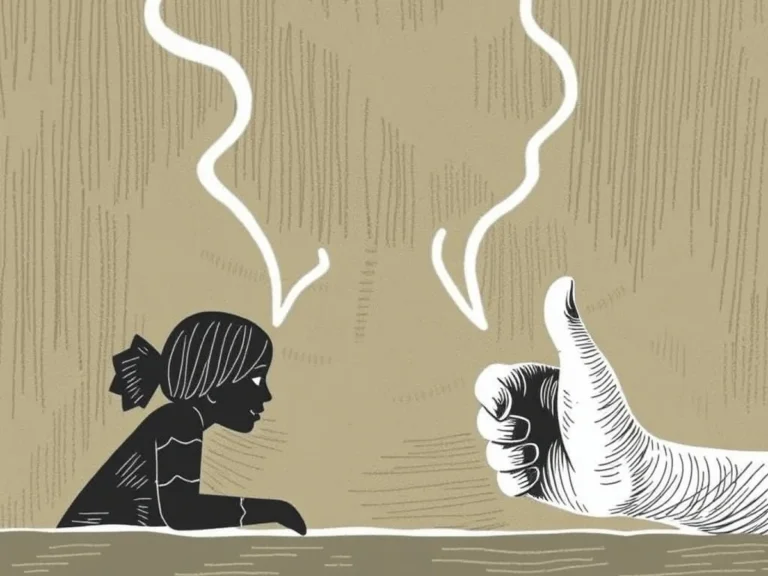
With a neptune opposite ascendant placement, you likely feel like a social chameleon. Your sense of self feels porous, causing you to absorb the moods and expectations of whoever is standing in front of you. This happens because your identity is constantly filtered through the lens of your partner or the people you meet.
Source: astrologyking.com
In my experience, this internal fluidity makes it hard to maintain a solid, independent ego. You might walk into a room feeling one way, only to walk out feeling like a completely different person. It is not that you are being fake. Instead, you are experiencing a psychological fusion where your internal boundaries dissolve in real time.
This dynamic often leads to intense neptune projection within your closest connections. You may not recognize your own need for spiritual depth or your tendency toward escapism. Consequently, you pin these traits onto your partner. You might view them as the savior who will rescue you, or perhaps the dreamy soulmate who completes your existence. You essentially treat them as a mirror for the parts of yourself you have not yet claimed.
- You might notice a sense of confusion regarding your own needs after spending just 2 hours in a high-pressure social environment.
- You likely attract people who appear chaotic or elusive, reflecting your own inner unconscious patterns.
- The desire to merge with another person can feel like a spiritual necessity, even when it leads to codependency.
This aspect forces you to confront the difference between healthy empathy and dissolving boundaries. When you project your internal sensitivity onto your partner, you lose the ability to see them clearly. You fall in love with a fantasy rather than a real human being. Recognizing these projections is the first step toward building a stable identity that survives outside of your romantic life.
Neptune Opposite Ascendant in Synastry

When you have a neptune opposite ascendant placement in synastry, the boundary between your identity and your partner often dissolves. You may find yourself naturally slipping into the role of a savior. This dynamic creates a cycle where one person feels responsible for healing or fixing the other. You might believe that your love can save them from their struggles, but this often leads to emotional exhaustion for both people.
The person with Neptune on the descendant often projects their own unmet needs onto their partner. You might see your partner as an ideal figure, ignoring their flaws to keep the fantasy alive. This psychological fusion makes it hard to see who your partner actually is. You are not just dating a person; you are dating a mirror of your own dreams and insecurities.
To avoid falling into deep codependency, keep an eye out for these specific red flags when meeting someone new:
- The person consistently describes themselves as a victim of their past circumstances.
- They expect you to sacrifice your personal time to manage their daily crises.
- You feel a sudden, intense urge to rescue them within the first 30 days of knowing them.
- They lack personal goals and seem to adopt your interests to stay close to you.
- You feel guilty whenever you set a boundary or say no to their requests.
Healthy relationships require two separate people, not one person trying to complete the other. If you notice yourself giving up your hobbies or distancing yourself from friends, stop and reassess the connection. True astrological compatibility relies on clear communication rather than silent sacrifice. If you cannot describe your partner’s realistic habits without using vague or spiritual language, you are likely operating under a strong neptune projection. Grounding yourself in reality is the best way to maintain your sense of self.
Challenges in Personal Relationships

When you have neptune opposite ascendant in your natal chart, you often mistake complete psychic fusion for true intimacy. Healthy empathy involves sensing another person’s feelings while keeping your own identity intact. In contrast, enmeshment happens when you absorb their moods until you no longer recognize your own desires. You might feel like a mirror reflecting their needs while your own reflection disappears.
Source: tumblr.com
It is common to believe that setting clear limits ruins the spiritual purity of a bond. You may view a boundary as a wall that blocks love, but this perspective often leads to emotional exhaustion. Because you link your identity and relationships so closely, saying no feels like a rejection of your core values. You fear that asserting yourself will shatter the delicate connection you have built with a partner.
This struggle often stems from dissolving boundaries in love. You might find yourself playing the savior to someone who clearly needs help, yet this dynamic keeps you from seeing them as they really are. If you dedicate 100 percent of your energy to someone else, you leave zero room for your own growth. This creates a cycle where you feel responsible for their emotional stability, which is not sustainable in any healthy partnership.
- Practice checking in with yourself at least 3 times a day to identify your current mood.
- Notice if you feel drained after being around others, as this is a sign of porous boundaries.
- Understand that a firm boundary is actually an act of respect for both parties involved.
You may also experience neptune projection in relationships, where you cast your own abandoned dreams onto your partner. You wait for them to become the person you are afraid to be. By reclaiming these parts of yourself, you can stop using your partner as a spiritual substitute. This allows you to stand on your own two feet while still enjoying a deep, meaningful connection.
Navigating Neptune’s Influence

You can maintain your sense of self when experiencing neptune opposite ascendant by grounding your energy in physical reality. This aspect often blurs the line between your identity and the needs of your partner. Use these three exercises to reclaim your personal space.
- Daily journaling: Spend 10 minutes each morning writing about your goals and feelings before you speak to your partner. This strengthens your internal narrative.
- Physical movement: Practice yoga or heavy lifting for at least 45 minutes to reconnect with your body. Feeling your muscles work reminds you where you end and others begin.
- Individual hobbies: Commit to one activity that you do entirely alone. Engaging in a solo pursuit prevents psychological fusion and keeps your ego distinct.
When you feel your boundaries dissolving, use physical anchors to snap back to the present moment. Carrying a small, heavy object like a smooth river stone in your pocket provides a tactile reminder of your presence. When you touch the object, take three deep breaths and consciously name one thing you want for yourself today.
Routine serves as another powerful stabilizer. Establishing a fixed schedule for your evening, such as reading a book for exactly 30 minutes before bed, creates a container for your energy. These small structures prevent you from slipping into idealization or mirroring the moods of your partner. By prioritizing these rituals, you ensure that your empathy does not turn into emotional exhaustion. You remain a separate, whole person even when your heart feels deeply connected to another. Remember that your natal chart describes a tendency toward porousness, but it does not dictate that you must lose your identity. Consistent, small habits act as the guardrails that keep your individuality intact during any transit of the seventh house.
Navigating Identity Shifts
When you have neptune opposite ascendant in your natal chart, you live with a permanent pull toward merging your identity with others. This creates a lifelong tendency to see yourself through the eyes of a partner. You might struggle to define who you are outside of your closest relationships.
In my experience, this natal placement feels like a constant soft focus filter on your personality. You are naturally gifted at empathy, but you often absorb the moods of those around you. It isn’t a temporary state. It is a core part of how you process the world. You learn to balance this by setting firm personal boundaries early in life.
Transit Versus Natal
A transit of Neptune to your descendant works differently than the permanent natal aspect. When Neptune moves across your seventh house cusp, it triggers a specific 14-year period of intense dissolution. During this time, your relationships face a radical reality check.
The natal placement is your baseline. The transit is a transformative storm. You might feel like your identity is dissolving entirely. People who previously acted as your mirrors may suddenly seem like strangers. This transit demands that you separate your own spiritual needs from the needs of your partner.
Managing Idealism
The transit window often peaks when you project your own hidden desires onto someone else. You might view a partner as a savior, only to find they cannot meet your impossible standards. This cycle of idealization and disillusionment is common.
To ground yourself, try to dedicate at least 20 minutes each day to solitary hobbies that have nothing to do with your partner. This simple practice helps you reclaim your sense of self. When the fog lifts, you will see your relationships with much greater clarity. You stop looking for a soulmate to complete you and start relating to them as a separate individual. You regain control over your own narrative.
Setting Firm Boundaries
You can maintain healthy boundaries by grounding your identity before you engage with others. When you have neptune opposite ascendant in your natal chart, you might feel like your personality dissolves the moment you enter a room. Start by taking 10 minutes each morning to check in with your own needs. This practice helps you distinguish your emotions from the feelings of your partner.
Using Creative Empathy
Your natural capacity for empathy is a gift that builds intimacy rather than chaos. This aspect allows you to see the hidden potential in your partner. Use this ability to foster shared spiritual growth instead of falling into the trap of idealization. When you see your partner as a mirror for your own growth, you stop projecting your needs onto them. You can channel this sensitivity into shared creative projects like painting or writing.
Building Spiritual Connection
Focusing on a shared purpose helps stabilize the seventh house energy in your life. You and your partner might find that volunteering for a charity or exploring meditation together creates a strong foundation. This shared focus keeps the relationship rooted in reality. It moves the dynamic away from psychological fusion and toward a supportive partnership. You will find that you don’t need to sacrifice your sense of self to feel connected.
Avoiding Relationship Pitfalls
Watch out for the tendency to play the savior or the victim in your long-term union. If you notice you are constantly rescuing your partner, step back and examine your motives. It is helpful to ask yourself if you are acting out of genuine care or a fear of being alone. Keeping your own hobbies and friendships outside of your relationship is essential. By nurturing your own interests, you reinforce your sense of identity. This prevents the loss of self that often happens when neptune transiting descendant shifts your focus. Stay present and keep your feet on the ground.
Spiritual Growth and Neptune

Having a neptune opposite ascendant placement does not doom you to a life of turbulence. This aspect challenges you to see your partner as they are instead of who you want them to be. You can move past the cycle of emotional drama by practicing radical honesty with yourself.
Distinguishing a true soulmate from a projection requires you to pause before you commit. When you feel an instant, intense sense of psychological fusion, check if you are actually seeing the other person. If you find yourself ignoring red flags to maintain a fantasy, you are likely dealing with a projection. True connection requires both people to exist as separate individuals with distinct needs and goals.
You can maintain healthy boundaries even with this energy. It starts by reclaiming your identity. If you feel like you lose yourself in a partner, try spending at least 30 minutes each day in complete solitude. This helps you reconnect with your own desires before you re-enter the partnership. You might find that keeping a personal journal helps you track your moods and separate them from your partner’s emotions.
When you notice yourself falling into the savior or victim role, step back. Real spiritual growth comes from realizing you cannot fix anyone else. You are responsible for your own happiness. Aim to cultivate empathy without absorbing the weight of your partner’s problems. If you struggle to hold your space, try setting one specific rule, such as not texting for the first hour of your morning.
This aspect invites you to use your natural sensitivity for creative work or service rather than just pouring it into relationships. By grounding your energy, you transform the potential for delusion into deep, compassionate insight. You learn to value the seventh house as a mirror for your own growth rather than a place to escape your own reality.
Mastering your identity
You find balance by shifting your focus from the partner back to yourself. When you have neptune opposite ascendant in your natal chart, you naturally project your dreams onto others. This makes your partner a mirror for your own unlived potential. You stop the cycle of disappointment by owning these traits yourself instead of waiting for someone else to embody them.
Self-awareness serves as your primary tool to move away from unconscious projection. You must recognize when you are merging your identity with your partner. Try keeping a 10-minute daily journal to track your own moods and desires separate from your partner. This simple habit keeps your ego grounded when you feel the pull toward psychological fusion.
Embracing your sensitivity
Your high level of empathy is not a flaw or a source of weakness. It is a powerful gift if you learn to manage your personal boundaries. Many people with this aspect struggle with feeling porous, as if they absorb every emotion in the room. You can learn to protect your inner energy while remaining open and loving.
Instead of viewing your deep connection to others as a liability, see it as a path to spiritual growth through partnership. You are here to learn how to offer compassion without losing your own sense of self. When you respect your own needs, you stop attracting partners who require you to play the savior. You start building relationships based on clear communication rather than dissolving boundaries.
- Acknowledge your sensitivity as your greatest strength.
- Practice setting one firm boundary per week in your closest relationships.
- Separate your personal goals from the needs of your partner.
- Recognize that your intuition is a guide for truth, not just a way to feel what others feel.
You have the unique capacity to see the beauty in everyone. Use that sight to build authentic bonds that honor your own spirit as much as the person standing beside you.
For another perspective, this detailed piece on Neptune Opposite Ascendant Natal and Transit is worth a read.
You might also like: Vertex in Scorpio: Why This Placement Changes Everything in Love